Test cards that can quickly determine whether a drug tablet contains the correct medicines — cheap, chemical-free, deployable anywhere.
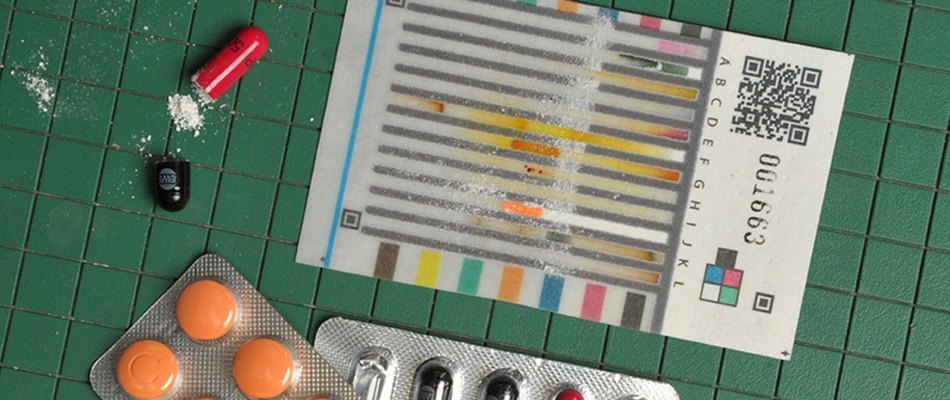
Many of the pharmaceuticals purchased in the developing world are substandard or outright fake drugs. Study after study reveals pervasive poor quality and products that are worthless or even harmful to patients. Many countries lack the technological infrastructure or regulatory resources to keep low-quality medicines off the market shelves — and since pharmaceuticals are a lucrative global market, low-quality medicine can cross borders and harm people anywhere in the world.
The World Health Organization estimates that 10–30 % of the pharmaceuticals purchased in the developing world are substandard or outright fake. Many countries do not have the technological infrastructure or regulatory resources to keep low quality medicines off their market shelves.
Paper analytical devices (PADs) are test cards that can quickly determine whether a drug tablet contains the correct medicines. They are cheap and easy to use — they don't require power, chemicals, solvents, or any expensive instruments — so they can be deployed rapidly at large scale wherever a problem with pharmaceutical quality is suspected.
We also produce drug-checking test strips for community harm-reduction groups screening for fentanyl and xylazine in the illicit drug supply, and publish per-lot quality-control data on our test strip dashboards.
These little test cards could change the balance of power between sellers and buyers. Right now, most buyers have to trust what the seller tells them about the quality of the pharmaceuticals they purchase. Unscrupulous manufacturers and distributors know there is little chance their medicines will ever be screened in a lab. Paper test cards don't need a lab — they enable people all over the world to quickly detect low quality medicines and remove them from the market.